

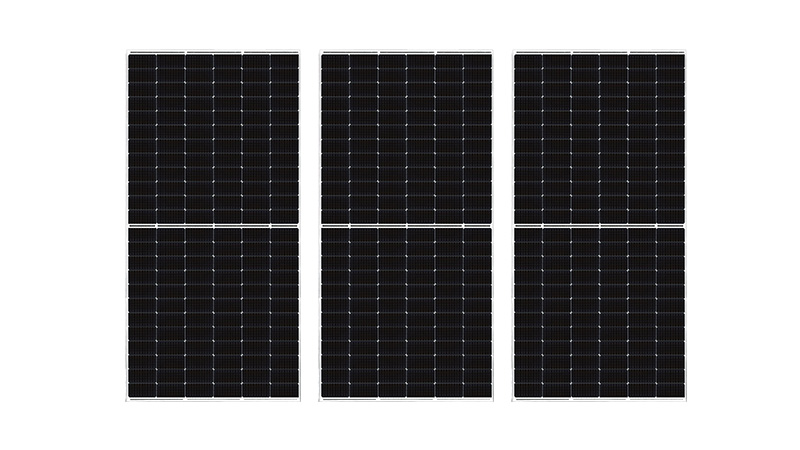
The Role and Importance of Solar Modules in Renewable Energy The global shift toward renewable energy sources is becoming increasingly crucial as the world faces environmental challenges, energy shortages, and the threat of climate change. Among the many forms of renewable energy, solar power stands out as one of the most accessible and promising solutions. Solar modules, also known as solar panels, are at the heart of this transformation, enabling the harnessing of solar energy for everything from residential homes to large industrial complexes. This blog will delve into solar modules, their types, functioning, benefits, challenges, and the future of solar energy. The following sections will provide a comprehensive overview of how solar modules are revolutionizing the energy sector. ________________________________________ What Are Solar Modules? Solar modules are devices used to convert sunlight into electricity. They consist of several solar cells, primarily made from semiconductor materials such as silicon. These cells generate electricity through a process called the photovoltaic effect, which occurs when light particles (photons) hit the surface of a solar cell and release electrons, creating an electrical current. The generated electricity is direct current (DC), which can then be converted into alternating current (AC) for use in homes and businesses. A single solar module is typically made up of multiple solar cells connected in series or parallel, depending on the required voltage and power output. The number of solar cells in a module and their efficiency directly impact the module's power output. Solar panels vary in size, but most residential panels are around 1.6 meters long and 1 meter wide. ________________________________________ Types of Solar Modules Solar modules come in various types, and each has its advantages depending on the application. The main types of solar modules are: 1. Monocrystalline Silicon Solar Panels: Monocrystalline panels are made from a single, continuous crystal structure. These panels are known for their high efficiency, typically ranging from 15% to 22%. They are also space-efficient, as they generate more power per square foot compared to other types of panels. Their sleek, black appearance makes them visually appealing for residential applications. Advantages: o High efficiency and longevity (25+ years of lifespan). o Space-efficient, requiring less surface area to produce more power. o Best for areas with limited space or low sunlight exposure. 2. Polycrystalline Silicon Solar Panels: Polycrystalline panels are made from silicon crystals that are melted and cast into molds. These panels are less expensive to manufacture than monocrystalline panels, making them a more cost-effective option. However, they are slightly less efficient, typically ranging from 13% to 18%. Advantages: o Lower upfront cost compared to monocrystalline panels. o Adequate performance for areas with ample sunlight. o Slightly easier to recycle due to simpler manufacturing processes. 3. Thin-Film Solar Panels: Thin-film panels are made by layering photovoltaic material on a substrate such as glass, plastic, or metal. These panels are lightweight, flexible, and can be integrated into a variety of surfaces, including roofs, windows, and even clothing. However, thin-film panels are less efficient than silicon-based panels, with efficiency ratings typically ranging from 10% to 12%. Advantages: o Flexibility and light weight make them suitable for unconventional applications. o Lower cost and easier installation. o Aesthetically appealing for building-integrated photovoltaics. 4. Bifacial Solar Panels: Bifacial panels capture sunlight from both sides, allowing them to harvest additional energy from reflected light on the ground or surrounding surfaces. These panels are gaining popularity for commercial and utility-scale applications due to their higher energy output potential. Advantages: o Increased efficiency from both direct and reflected sunlight. o Ideal for locations with reflective surfaces like snow-covered roofs or light-colored ground. ________________________________________ How Do Solar Modules Work? The operation of a solar module is based on the photovoltaic effect. Here's a simple breakdown of how solar modules work: 1. Absorption of Light: When sunlight strikes the solar panel, photons (light particles) are absorbed by the semiconductor material (usually silicon) in the solar cells. 2. Electron Excitation: The energy from the absorbed photons excites electrons in the silicon atoms, causing them to break free from their atoms. 3. Electric Current Generation: These free electrons are directed by an electric field within the solar cell toward the positive side of the cell, creating an electrical current. This current flows through conductive metal contacts on the surface of the solar cell. 4. Conversion to Usable Electricity: The direct current (DC) electricity generated by the solar cells is typically routed through an inverter, which converts the DC electricity into alternating current (AC) electricity that can be used to power electrical appliances in homes and businesses. 5. Grid Connection (Optional): If the solar installation is connected to the electrical grid, excess electricity generated by the solar panels can be sent back to the grid, allowing for credits or compensation through a process known as net metering. Alternatively, the solar system can include batteries to store energy for use during periods of low sunlight. ________________________________________ Benefits of Solar Modules 1. Environmental Impact: Solar power is one of the cleanest sources of energy available. It reduces greenhouse gas emissions, air pollution, and reliance on fossil fuels. By adopting solar energy, individuals and organizations contribute to the fight against climate change and environmental degradation. 2. Cost Savings: While the initial installation of solar panels can be expensive, the long-term savings are significant. Solar modules reduce or eliminate electricity bills, depending on the size of the installation and local energy prices. Over time, the savings from solar energy can pay back the initial investment. 3. Energy Independence: Solar panels allow homeowners and businesses to generate their electricity, reducing dependence on external utility providers. This energy independence provides more control over energy consumption and shields consumers from fluctuating energy prices. 4. Job Creation: The solar industry has created millions of jobs globally, ranging from manufacturing and installation to maintenance and research. As the demand for solar power grows, so does the potential for job creation in the renewable energy sector. 5. Sustainability: Solar energy is renewable, meaning it is naturally replenished and will not run out in the foreseeable future. Solar modules can produce energy for decades with minimal maintenance, contributing to long-term sustainability goals. ________________________________________ Challenges in the Adoption of Solar Modules 1. High Initial Cost: Despite falling prices over the past decade, the initial installation of solar panels can still be a significant investment. This can deter individuals or businesses from adopting solar technology, especially in developing regions. 2. Weather and Location Dependence: Solar energy production depends heavily on weather conditions and geographical location. Cloudy weather, pollution, and less sunny regions may reduce the efficiency of solar power systems. 3. Energy Storage: One of the main challenges with solar energy is that it is intermittent. Solar panels generate power only when the sun is shining. To address this, energy storage solutions like batteries are often used, but these can be expensive and may not yet offer optimal performance in all scenarios. 4. Space Requirements: While solar technology


