

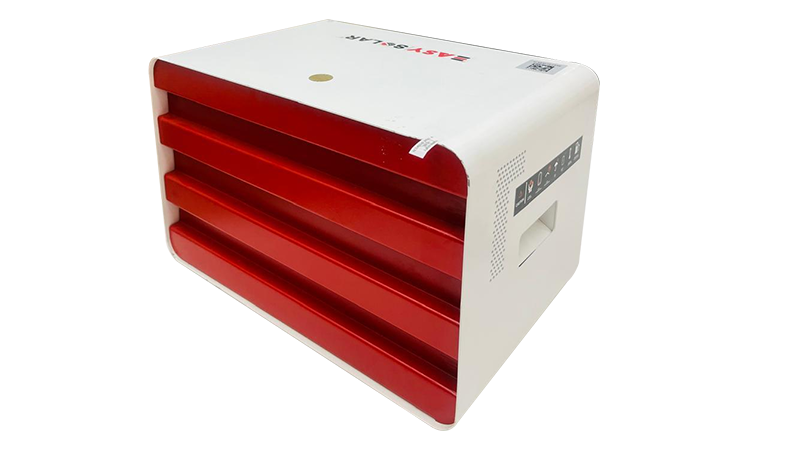
Introduction In the age of portable electronics, electric vehicles (EVs), and renewable energy systems, lithium batteries have become an essential component of daily life. From powering smartphones to enabling the growth of clean energy storage, lithium-ion technology has revolutionized how we store and use energy. But what exactly is a lithium battery, how does it work, and why has it become the preferred choice across so many industries? This blog delves into the science, advantages, challenges, and future of lithium batteries, offering an in-depth exploration of one of the most important innovations of the 21st century. ⸻ Chapter 1: What Are Lithium Batteries? Lithium batteries are a type of rechargeable battery that uses lithium as a key component of its electrochemistry. The term “lithium battery†generally refers to lithium-ion (Li-ion) batteries, although there are also non-rechargeable lithium primary cells used in devices like watches or pacemakers. Basic Structure and Components: 1. Cathode: Made of a lithium metal oxide (e.g., lithium cobalt oxide - LiCoO₂). 2. Anode: Typically made of graphite. 3. Electrolyte: A lithium salt dissolved in a solvent. 4. Separator: Prevents direct contact between anode and cathode while allowing ion flow. When a device is powered by a lithium battery, lithium ions move from the anode to the cathode through the electrolyte, releasing energy. When the battery is charged, this process is reversed. ⸻ Chapter 2: The Rise of Lithium-Ion Technology Although lithium metal batteries were developed in the 1970s, they posed serious safety risks, including fire and explosion. The development of lithium-ion batteries in the 1980s, particularly by scientists like John B. Goodenough, Akira Yoshino, and Stanley Whittingham, marked a turning point. Commercialized by Sony in 1991, lithium-ion batteries quickly replaced older technologies such as nickel-cadmium (NiCd) and nickel-metal hydride (NiMH) due to their higher energy density, lower weight, and longer lifespan. ⸻ Chapter 3: Why Lithium Batteries Dominate the Market Several features distinguish lithium batteries from their competitors: 1. High Energy Density Lithium batteries offer one of the highest energy densities (150–200 Wh/kg), which means they can store a lot of energy relative to their size and weight. This is critical for portable electronics and electric vehicles. 2. Lightweight Lithium is the lightest metal, making lithium-ion batteries ideal for mobile and portable applications. 3. Low Self-Discharge Rate They lose only about 1.5-2% of their charge per month, compared to 15-30% for NiMH batteries. 4. No Memory Effect Unlike older rechargeable batteries, lithium batteries don’t need to be fully discharged before recharging. 5. Long Cycle Life Depending on use and care, a typical lithium-ion battery can last between 500 to 1,500 charge cycles. ⸻ Chapter 4: Applications of Lithium Batteries The versatility of lithium batteries means they’re used in a wide array of industries: 1. Consumer Electronics From smartphones and laptops to cameras and smartwatches, lithium-ion batteries power nearly all modern portable electronics. 2. Electric Vehicles (EVs) EVs like Tesla, Rivian, and Lucid rely heavily on lithium battery packs due to their high energy density and efficiency. 3. Renewable Energy Storage Solar and wind energy systems use lithium battery banks to store energy, making clean power more reliable and accessible. 4. Medical Devices Portable defibrillators, hearing aids, and implantable devices often depend on the long life and reliability of lithium batteries. 5. Aerospace and Defense Lightweight and high-capacity lithium batteries are used in satellites, drones, and various military technologies. ⸻ Chapter 5: Types of Lithium-Ion Batteries Not all lithium batteries are the same. Several chemistries are used depending on the specific application: Chemistry Abbreviation Key Features Common Use Lithium Cobalt Oxide LCO High energy density Smartphones, cameras Lithium Iron Phosphate LFP Long life, safe EVs, solar storage Lithium Nickel Manganese Cobalt Oxide NMC Balanced performance EVs, power tools Lithium Nickel Cobalt Aluminum Oxide NCA High energy, long life Tesla EVs Lithium Titanate LTO Extremely fast charging Grid storage, heavy-duty transport Each type has trade-offs in terms of safety, cost, cycle life, and energy density. ⸻ Chapter 6: Challenges and Risks Despite their many benefits, lithium batteries aren’t without issues. 1. Thermal Runaway and Fire Risk If a lithium battery is punctured, overcharged, or exposed to high heat, it can enter a state of thermal runaway, potentially leading to fire or explosion. 2. Degradation Over Time Lithium batteries degrade with age, leading to reduced capacity and shorter runtimes. 3. High Cost Though prices have dropped significantly, lithium-ion batteries are still more expensive than some alternatives. 4. Environmental and Ethical Concerns • Mining: Lithium extraction requires large amounts of water and can cause environmental degradation. • Cobalt: Often mined in conflict areas, cobalt extraction raises serious human rights concerns. ⸻ Chapter 7: Innovations in Lithium Battery Technology Ongoing research is pushing the limits of what lithium batteries can do: 1. Solid-State Batteries These replace the liquid electrolyte with a solid, improving safety and energy density. 2. Silicon Anodes Replacing graphite with silicon can increase energy capacity by up to 40%. 3. Recycling and Second-Life Batteries Companies are working on systems to recycle lithium batteries or repurpose EV batteries for grid storage. 4. Fast Charging Technologies New designs and chemistries aim to reduce charging times from hours to minutes. ⸻ Chapter 8: The Future of Lithium Batteries As we move towards a more electrified and sustainable world, lithium batteries will continue to evolve. Industry trends suggest: • Increased Demand: The EV market alone could require terawatt-hours of storage annually. • Price Reductions: Economies of scale and new mining techniques will lower costs. • Battery-as-a-Service Models: Companies may begin leasing batteries or offering battery swapping. • Integration with AI: Smart battery management systems (BMS) will optimize performance and lifespan. ⸻ Chapter 9: Alternatives to Lithium Batteries Though dominant, lithium isn’t the only game in town. Emerging technologies include: • Sodium-Ion Batteries: Cheaper and more abundant materials, but lower energy density. • Zinc-Air Batteries: High theoretical capacity, currently being researched. • Flow Batteries: Ideal for stationary energy storage. • Hydrogen Fuel Cells: Compete with lithium for long-range and high-power applications.


