

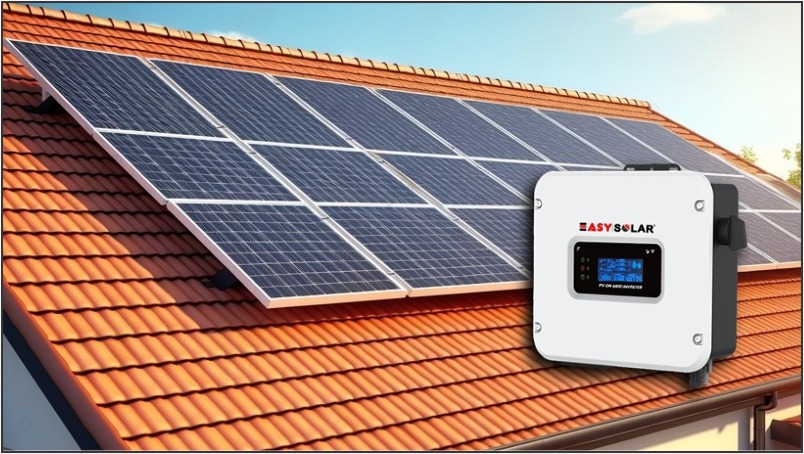
Introduction As the world grapples with climate change and the need for sustainable energy sources, solar power has emerged as one of the most viable solutions. Among the various methods to tap into solar energy, rooftop solar power plants have become increasingly popular. They are an effective way to reduce dependence on non-renewable energy sources, reduce electricity bills, and contribute to a cleaner environment. This blog will provide a detailed guide on rooftop on-grid solar power plants, discussing their benefits, components, working mechanism, installation process, cost, and potential challenges. Whether you're a homeowner, business owner, or simply someone curious about solar power, this blog will give you the insights you need to understand and consider a rooftop on-grid solar power system. ________________________________________ What is a Rooftop On-Grid Solar Power Plant? A rooftop on-grid solar power plant is a system where solar panels are installed on the roof of a building (residential, commercial, or industrial), and the electricity generated by these panels is fed into the local grid. Unlike off-grid systems, which store electricity in batteries for later use, on-grid systems are connected directly to the power grid. This setup allows the building to utilize grid power when the solar generation is insufficient and to export surplus energy back into the grid. Key features of a rooftop on-grid solar system include: • Grid connection: The system is linked to the local utility grid, providing both access to electricity from the grid and a path to export excess solar power. • Solar panels: These are the core component of the system, responsible for capturing sunlight and converting it into electricity. • Inverter: This device converts the direct current (DC) electricity generated by the solar panels into alternating current (AC) electricity, which is suitable for use in homes and businesses. • Bi-directional meter: A special type of meter that records both the electricity consumed from the grid and the electricity fed back into the grid. ________________________________________ Benefits of Rooftop On-Grid Solar Power Plants 1. Reduced Electricity Bills One of the main advantages of installing a rooftop solar power plant is the significant reduction in electricity costs. By generating your own electricity from solar energy, you can decrease the amount of power you need to purchase from the grid. In some cases, you may even receive compensation for the excess electricity you produce and export back to the grid, further offsetting costs. 2. Environmentally Friendly Solar power is a clean and renewable energy source that produces no greenhouse gases, making it an environmentally friendly option. By using solar energy, you contribute to reducing carbon emissions and combatting climate change. 3. Low Maintenance Once installed, rooftop on-grid solar power plants require minimal maintenance. Solar panels have no moving parts, making them durable and long-lasting. Regular cleaning and occasional inspections are typically all that is needed to keep the system functioning optimally. 4. Government Incentives Many governments around the world offer financial incentives and subsidies to encourage the installation of solar power systems. These incentives can significantly reduce the initial cost of installation, making solar energy more affordable for homeowners and businesses alike. 5. Energy Independence While an on-grid system is still dependent on the local power grid, generating your own electricity through solar power reduces your reliance on external energy sources. With the growing concerns about rising electricity prices, this added energy independence is an attractive benefit. ________________________________________ Components of a Rooftop On-Grid Solar Power Plant 1. Solar Panels Solar panels are the heart of any solar power system. Made from semiconductor materials like silicon, these panels absorb sunlight and convert it into direct current (DC) electricity through the photovoltaic effect. The number and type of solar panels required depend on the available roof space and the energy requirements of the household or business. There are several types of solar panels: • Monocrystalline Solar Panels: Known for their high efficiency and sleek appearance, these panels are made from a single continuous crystal structure. • Polycrystalline Solar Panels: These panels are made from multiple silicon crystals and are slightly less efficient but are generally more affordable than monocrystalline panels. • Thin-Film Solar Panels: These are lightweight and flexible panels made by depositing photovoltaic material onto a substrate. While less efficient, they can be used in specific applications. 2. Inverter The inverter is a critical component in the solar power system. It converts the DC electricity produced by the solar panels into alternating current (AC) electricity, which is the type used by most electrical appliances. There are two main types of inverters: • String Inverters: These are the most common and cost-effective option, where multiple solar panels are connected in series to a single inverter. • Microinverters: These inverters are attached to each solar panel individually, which can be more efficient, especially in installations where shading is an issue. 3. Bi-directional Meter A bi-directional meter tracks both the energy consumed from the grid and the energy generated by the solar panels that is fed back into the grid. If your solar power plant produces more electricity than you need, the surplus power is sent to the grid, and the meter will record this export. In some regions, utility companies offer compensation for this excess energy through a system known as net metering. 4. Mounting Structure The mounting structure secures the solar panels to the roof. It must be sturdy enough to withstand various weather conditions such as high winds, heavy rains, and snow. The mounting system also determines the angle at which the panels are installed, which affects their efficiency in capturing sunlight. ________________________________________ How Does a Rooftop On-Grid Solar Power Plant Work? The basic principle behind a rooftop on-grid solar power system is relatively simple: 1. Solar Panels Capture Sunlight: Solar panels installed on your roof absorb sunlight and convert it into DC electricity. 2. Inverter Converts DC to AC: The DC electricity generated by the panels flows to the inverter, which converts it into AC electricity that can be used to power appliances in your home or business. 3. Consumption of Electricity: If your system produces enough electricity to meet your needs, the power is used directly to run electrical appliances. 4. Surplus Power Exported to Grid: If the solar power generated exceeds your consumption, the excess electricity is fed back into the grid. A bi-directional meter tracks how much power is exported, and you may receive compensation for this surplus through net metering. 5. Grid Power when Needed: When the solar system isn’t producing enough power (at night or during cloudy weather), you can draw electricity from the grid. This process ensures that you can use clean solar energy when it's available and rely on the grid during times when solar generation is insufficient. ________________________________________ Installation Process of a Rooftop On-Grid Solar Power Plant The installation of a rooftop on-grid solar power plant typically involves the following steps: 1. Site Evaluation and Design The first step is to assess your roof and energy needs. A professional solar installer will evaluate factors such as the size of the roof, its orientation, and any potential shading that could affect performance. Based on this, a custom solar system design will be created, including the number of panels and type of inverter needed. 2. System Approval


