

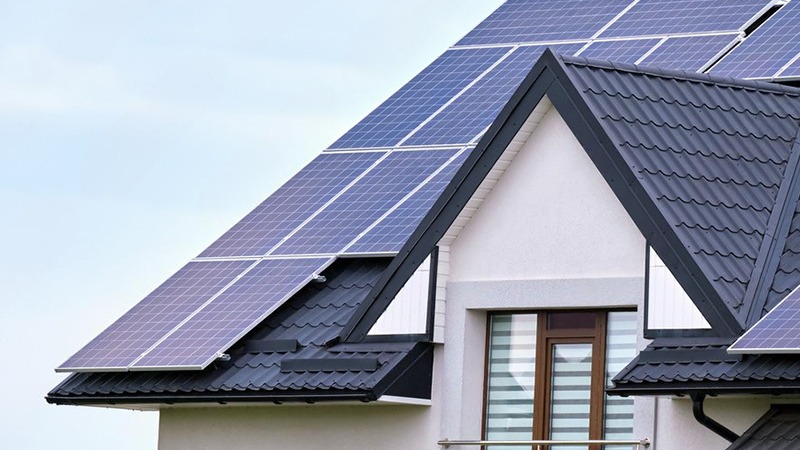
Introduction As the world confronts the ongoing environmental crisis, there has been a growing shift toward renewable energy sources. Among these, solar power has emerged as one of the most efficient and viable options for sustainable energy generation. A domestic solar power plant, which harnesses the energy from the sun to power a home, has become a popular choice for homeowners looking to reduce their carbon footprint, cut down electricity costs, and become more energy independent. In this blog, we will explore the concept of a domestic solar power plant, how it works, its components, benefits, installation process, cost considerations, and the future potential of solar energy for homes. What is a Domestic Solar Power Plant? A domestic solar power plant is a system designed to generate electricity from sunlight and provide power to a household. It consists of solar panels (photovoltaic or PV panels) that capture sunlight and convert it into electrical energy. This energy can be used to power household appliances, lighting, heating, and other electrical needs. Unlike traditional power sources that rely on fossil fuels, a solar power plant produces clean, renewable energy. By installing solar panels on the roof or another area that receives ample sunlight, homeowners can generate their own electricity and potentially reduce their reliance on the grid. How Does a Domestic Solar Power Plant Work? The working of a domestic solar power plant is based on the principles of photovoltaics. Photovoltaic cells, or solar cells, are made of semiconductor materials that convert sunlight into electricity. Here’s how the system works: 1. Sunlight Absorption: Solar panels are made up of many individual solar cells that absorb sunlight. Each solar cell is typically made from silicon, a material that generates electricity when exposed to sunlight. The energy from the sunlight excites the electrons in the silicon, creating an electric current. 2. Conversion to Direct Current (DC): The electric current produced by solar cells is in the form of direct current (DC). However, most household appliances run on alternating current (AC). Therefore, the DC power must be converted into AC power. 3. Inverter: The DC electricity produced by the solar panels is sent to an inverter, a device that converts the DC power into AC power. The inverter is a crucial component of the solar power system and ensures that the energy is compatible with household electrical devices. 4. Distribution and Storage: Once the energy has been converted into AC, it can be used to power appliances and devices within the home. If the solar system generates more power than the household needs, the excess energy can be stored in a battery for later use or fed back into the grid through net metering, depending on the local regulations. 5. Grid Connection (Optional): If the solar system is connected to the grid, any surplus power generated during the day can be sent back to the utility company. This can result in credits on the homeowner’s electricity bill, reducing overall energy costs. If the system doesn't generate enough energy during periods of low sunlight (e.g., at night), the home can draw power from the grid. Key Components of a Domestic Solar Power Plant To build a fully functional solar power plant for residential use, several key components are required: 1. Solar Panels: These are the primary component of the solar power system. Solar panels consist of photovoltaic cells that capture sunlight and convert it into electricity. The number of panels required depends on the energy consumption of the household. 2. Inverter: As mentioned earlier, the inverter converts the direct current (DC) generated by the solar panels into alternating current (AC), which is used by most household appliances. 3. Batteries: Batteries can store excess electricity produced during sunny days for use during cloudy weather or at night. Homeowners can choose to install batteries to make their solar system more energy-independent. The use of batteries can provide additional security in case of grid outages. 4. Charge Controller: In systems with batteries, the charge controller regulates the voltage and current coming from the solar panels to the batteries, ensuring that the batteries do not get overcharged or undercharged. 5. Mounting System: Solar panels need to be mounted securely on the roof or another surface that gets adequate sunlight. The mounting system should be durable, weather-resistant, and adjustable to maximize solar exposure. 6. Wiring and Electrical Components: These connect all the components of the solar power plant, ensuring that the electricity generated by the solar panels flows correctly through the system. Benefits of a Domestic Solar Power Plant 1. Cost Savings One of the most significant advantages of installing a domestic solar power plant is the potential for long-term cost savings. By generating your own electricity, you reduce your dependency on the grid, which can result in lower electricity bills. In regions with favorable sunlight conditions, solar energy can substantially reduce or even eliminate energy costs. In some cases, homeowners may also receive payments or credits from their utility company through net metering, where excess electricity is fed back into the grid. Over time, the initial investment in solar panels can pay for itself and provide savings for years. 2. Environmental Impact Solar energy is a clean and renewable source of power. By using solar energy, homeowners significantly reduce their carbon footprint, contributing to the global effort to combat climate change. Unlike fossil fuels, solar power does not emit harmful gases like carbon dioxide (CO2), nitrogen oxides (NOx), or sulfur dioxide (SO2), making it a sustainable and environmentally-friendly energy option. 3. Energy Independence With a domestic solar power plant, homeowners can become less reliant on the utility grid. During periods of high electricity demand or power outages, homes with solar systems can continue to operate using the energy they generate and store. This sense of energy independence can be especially valuable in areas prone to frequent power interruptions. 4. Increase in Property Value Homes with solar power systems are often more attractive to buyers due to the reduced energy costs and environmental benefits. Research shows that homes with solar energy systems tend to sell for higher prices compared to those without. Installing solar panels can, therefore, be a wise investment that enhances the resale value of the property. 5. Low Maintenance Solar panels require minimal maintenance. They are durable and designed to last for decades, with most panels coming with warranties of 25 years or more. Occasionally, homeowners may need to clean the panels to remove dust or debris that can block sunlight. Aside from this, there is very little upkeep required. Cost of Installing a Domestic Solar Power Plant The cost of installing a domestic solar power plant can vary widely depending on several factors, such as the size of the system, the quality of components, and the geographical location. However, on average, the initial cost for a home solar power system can range from $10,000 to $30,000 or more for an average-sized home. Key Factors Influencing Cost: 1. System Size: The larger the system, the more expensive it will be. The size of the system depends on the electricity consumption of the household. A typical solar system for a small to medium-sized home can range between 5 kW to 10 kW. 2. Solar Panel Quality: High-quality panels that are more efficient and durable will come at a higher cost. However, they may also offer better performance and longer lifespans. 3. Installation Charges: Installation fees can vary depending on the complexity of the setup and the labor costs in the region. It's important to factor in these costs when budgeting for a solar power system


